By the time it reaches you
You have no idea how long it sat in a warehouse, or whether it’s still the molecule it was supposed to be.
Semaglutide and tirzepatide are temperature-sensitive peptides. The pharmaceutical specification — the FDA / ICH cold-chain requirement that branded GLP-1s must meet — is continuous storage at 2 to 8 degrees Celsius, with documented temperature monitoring across the entire chain from factory to dispensing pharmacy. Lyophilized (freeze-dried) peptides are slightly more forgiving short-term, but long-term integrity still requires deep cold storage at -80°C.
A 2015 study published in PLOS One found that GLP-1 plasma samples held at room temperature for more than one hour show impaired peptide recovery. Even storage at 4°C alone is insufficient: protease degradation continues at refrigerator temperatures. Three hours on ice was the only condition that preserved full integrity.
Now compare that to what actually happens with a gray-market shipment.
Manufacture in China: 3 to 30 days for synthesis, depending on whether the batch is stocked or custom.
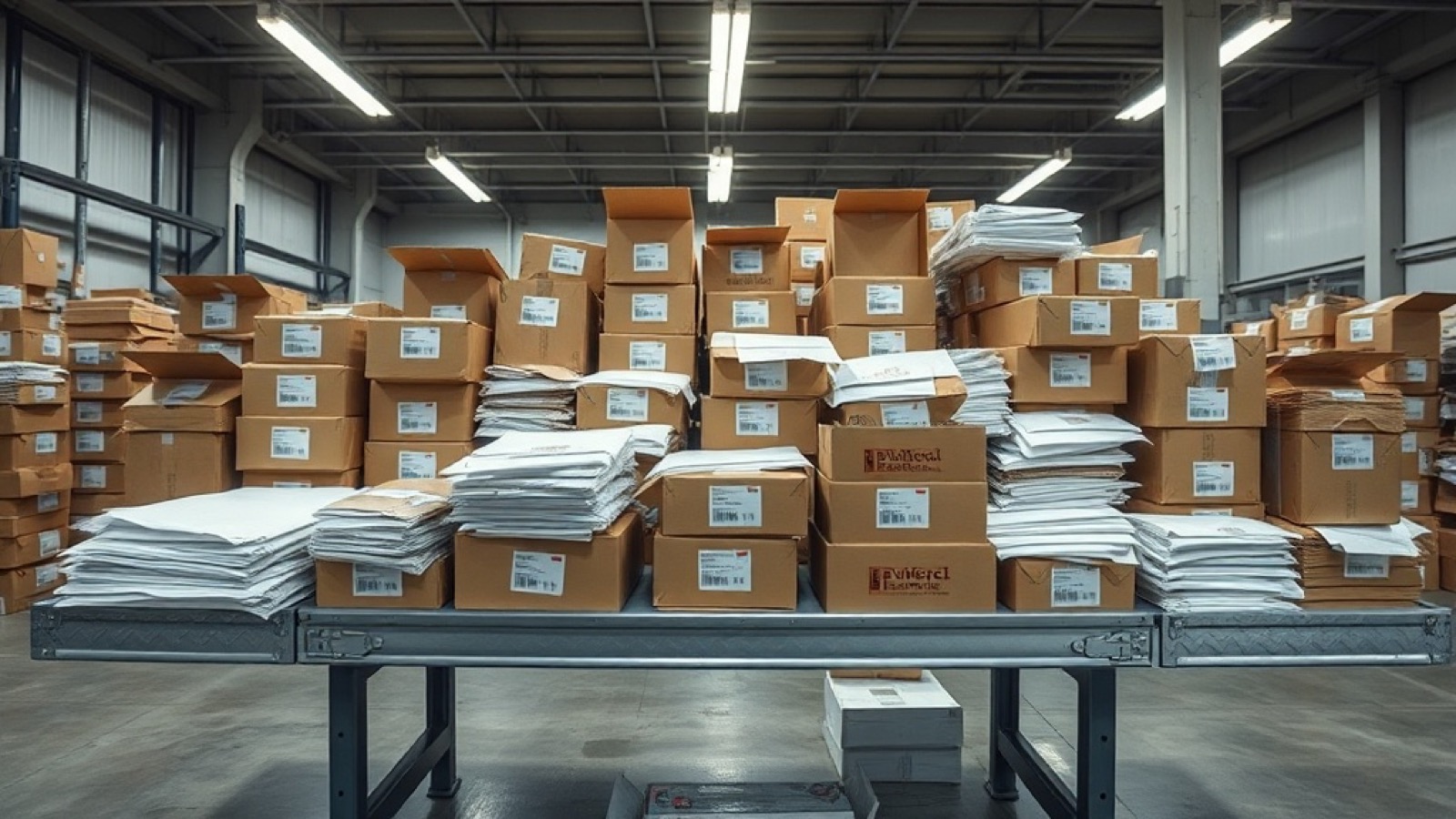
Air freight to a US broker: 7 to 15 days. No cold-chain monitoring. The box rides in a cargo hold and a shipping container at ambient temperature.
Sitting in a warehouse: Indeterminate. Could be days. Could be weeks if the broker is consolidating shipments or hiding from a customs sweep. No temperature log exists for any of this.
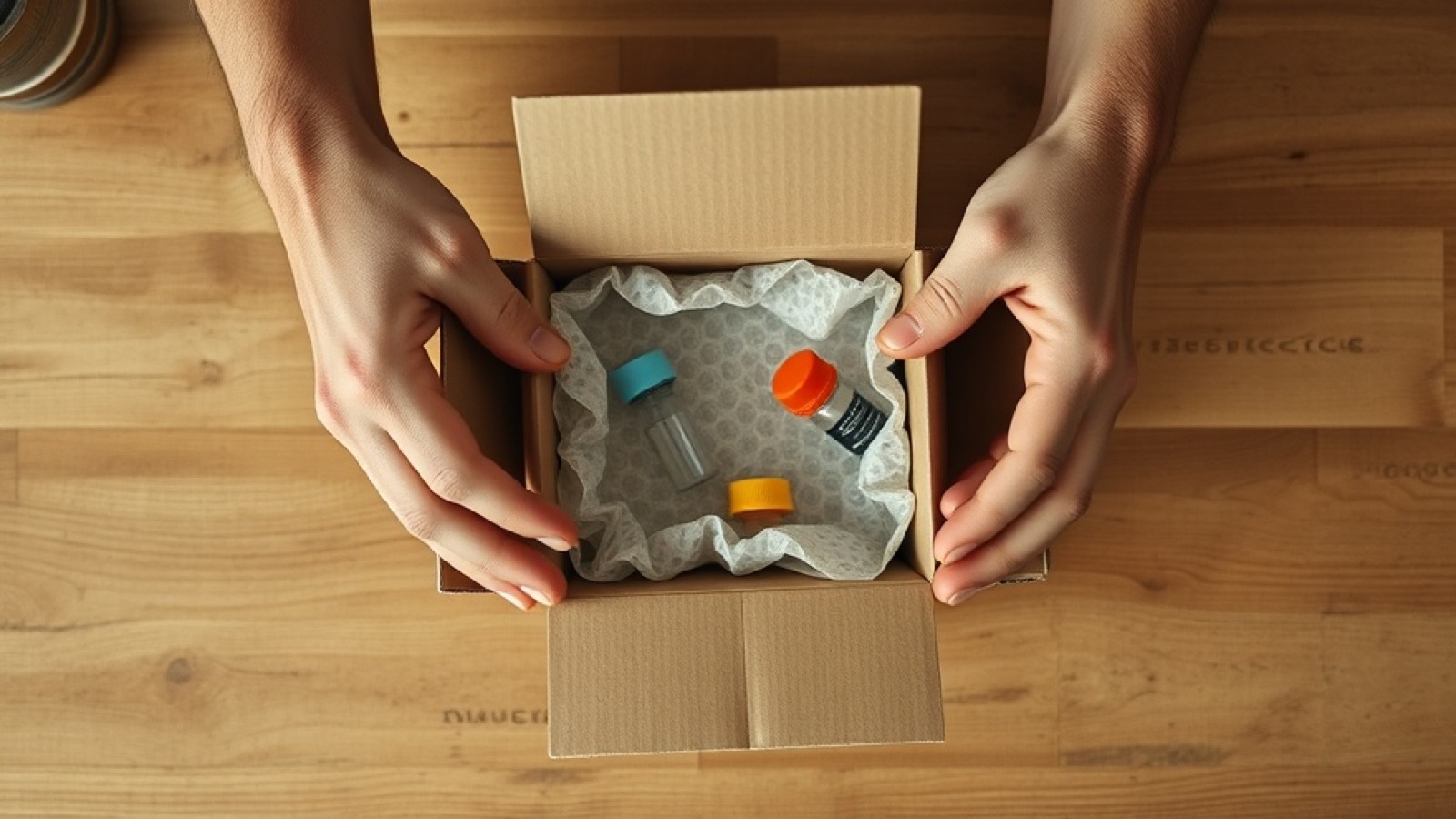
Mailed to your house: Standard postal delivery, plain mailer, no insulation, no cold pack, no documentation.
Total transit, end to end: 10 to 45 days, none of it temperature-controlled. A legitimate pharmacy fulfillment to your door is 2 to 3 days, with continuous cold-chain monitoring and refrigerated overnight shipping.
A pattern documented across glp1forum.com testing threads and the Real Peptides community review: users report strong initial response in weeks 1–8 of a vial, then a sudden plateau or appetite return in weeks 9–16. The effect resumes when they switch to a fresh batch. The likely explanation, per the chemists posting on these threads, is straightforward: peptide degradation from temperature excursion during storage and shipping. The molecule that was active when the lab tested it is partially broken down by the time the buyer is halfway through the vial.
You can’t see degradation. The vial looks the same. The COA, if it’s real, only describes what was in that one sample on the day of testing. The product reaching your kitchen is not the product the lab tested. The legitimate cold chain exists specifically to close that gap. The gray market doesn’t have one.