The Vendor Graveyard

Peptide Sciences. Amino Asylum. Paradigm Peptides. The gray-market vendors the community trusted most have been raided, indicted, or vanished. This is the timeline of how the industry collapsed—and the criminal cases still unfolding.

Criminal Cases Enforcement Exit Scams

Twelve months of shutdowns, raids, and indictments

April 2025
General Exclusion Order on tirzepatide imports
Federal authorities issue a blanket order targeting all unauthorized tirzepatide entering the United States, giving CBP broad authority to seize shipments at the border without case-by-case review.
June 2025
Amino Asylum raided — goes dark overnight
Federal agents seized inventory and records from one of the largest gray-market peptide suppliers in the US. The site went offline within hours. Because Amino Asylum accepted Bitcoin only, customers had no chargeback recourse. Outstanding orders were never fulfilled.
September 2025
FDA issues 55+ warning letters
The FDA sent more than 55 warning letters to companies selling unapproved GLP-1 receptor agonists, the largest single wave of enforcement actions targeting the peptide market.
December 2025
Paradigm Peptides founders plead guilty
Owners pleaded guilty to introducing unapproved new drugs into interstate commerce. Testing revealed that products sold as SARMs actually contained testosterone—a controlled substance. US v. Matthew Kawa sentencing scheduled for July 2026.
January 2026
Science.bio ceases operations
One of the longer-running research chemical vendors quietly shut down its storefront and stopped accepting orders, citing “regulatory uncertainty.”
March 6, 2026
Peptide Sciences voluntary shutdown
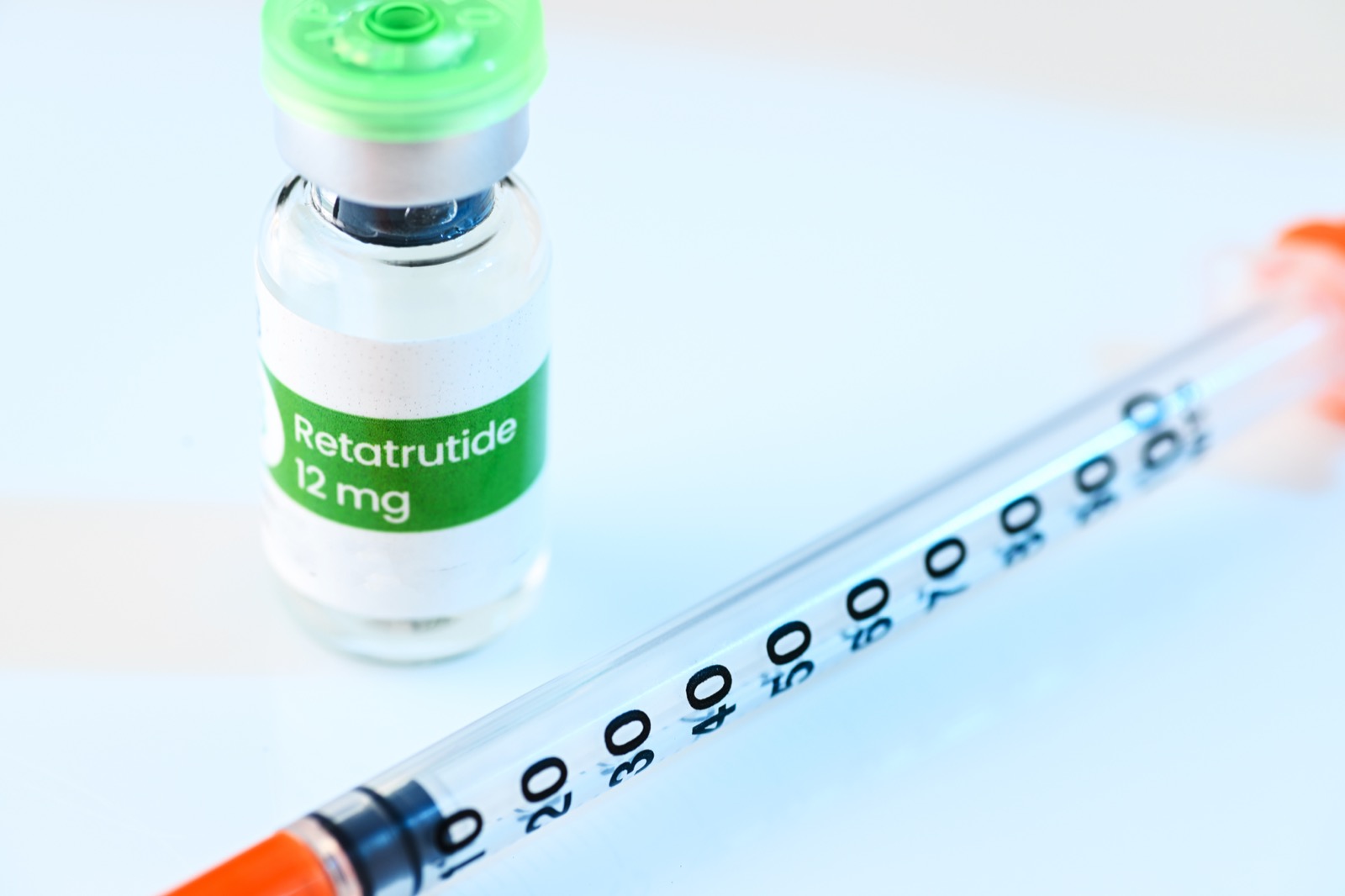
The vendor long considered the “gold standard” by the research chemical community ceased operations. $7.45 million per month in revenue, an estimated 3–5 employees, operating from a Henderson, NV mailbox. Independent testing by Finnrick found their retatrutide diverged 50% from label claim.
March 2026
FDA issues 30 additional warning letters
A second wave of enforcement targeting online peptide sellers, bringing the total to 85+ warning letters in six months.
April 6, 2026
Dr. Justin Watkins (UT) indicted
A Utah physician indicted for prescribing unapproved peptides to more than 200 patients, sourced through a Chinese middleman. The case established that physicians cannot insulate themselves from liability by using offshore suppliers.

The scale of the crackdown

Across federal agencies and international law enforcement, the gray-market peptide industry has faced the most sustained enforcement campaign in its history.

769
arrests in Interpol Pangea XVII, the largest coordinated operation against online pharmaceutical crime
Interpol, 2024
$4.8M+
in asset forfeitures from US peptide criminal cases alone
Federal court records
85+
FDA warning letters to GLP-1 sellers since September 2025
FDA.gov
5,000+
packages seized at CBP Cincinnati, the primary international mail hub
CBP public records

The criminal cases

Beyond shutdowns, federal prosecutors have filed criminal charges against vendors, physicians, and compounders. These are not regulatory slaps on the wrist. They are felony indictments with prison time and seven-figure forfeitures.

Tailor Made Compounding

$1.79M forfeiture. Charged with distributing BPC-157 and SARMs as unapproved new drugs. Operated as a licensed compounding pharmacy but manufactured and sold products outside the scope of any prescription.

All American Peptide — Kovaleskis

$3M+ forfeiture, guilty plea. One of the higher-volume domestic peptide operations. Guilty plea to introduction of unapproved new drugs into interstate commerce.

Dr. Matthew Lewis — “Meal Prep” Venmo

$249K, guilty plea. Accepted payment for peptide prescriptions via Venmo under the label “Meal Prep” to avoid detection. Pleaded guilty to unlawful distribution of unapproved drugs.

US v. Matthew Kawa (Paradigm Peptides)

Sentencing: July 2026. Founders pleaded guilty after testing revealed SARMs products contained testosterone, a Schedule III controlled substance. The case is being watched as a potential benchmark for sentencing in peptide cases.

Dr. Justin Watkins (Utah)

Indicted April 6, 2026. Prescribed unapproved peptides to more than 200 patients. Products sourced through a Chinese middleman with no pharmaceutical license. Prosecutors allege Watkins knew the products were unapproved and prescribed them anyway.

Exit scams: when vendors don’t get caught—they just leave

Not every vendor shutdown involves federal agents. Some vendors simply take the money and disappear. In a market with no consumer protection, no chargebacks, and no real identities, the incentive to exit-scam is enormous.

PeptideElite

Vanished mid-fulfillment with an estimated $5,000–$10,000+ in outstanding customer orders. No forwarding address, no refunds, no response. Domain registration was anonymized. Payment was cryptocurrency only.

WellnessBuy / “Sandy”

Operated under the alias “Sandy,” building trust through forum engagement and small fulfilled orders before absconding with approximately 28,000 BTC in customer funds. The account was later linked to a serial scammer who had previously operated under different brand names.

The Pattern

Build trust with small, reliably fulfilled orders over weeks or months. Gradually accept larger prepaid orders. Stop shipping. Delete the storefront. Rebrand and repeat. In a market built on anonymity, pseudonyms, and cryptocurrency, there is no mechanism to stop this cycle. There is no consumer protection agency to report to. There is no chargeback. There is no legal recourse.

“For Research Use Only”

Every gray-market peptide vendor displays some version of this disclaimer. It is the foundational legal fiction of the entire industry. And the FDA has explicitly stated it does not work.
When a website sells vials of semaglutide alongside dosing charts, reconstitution instructions, injection guides, and before/after testimonials, the “research use only” disclaimer is legally void. The FDA has ruled that providing dosing instructions constitutes evidence of intent to sell for human use, regardless of any disclaimer text.

What the disclaimer actually means for you

No product liability

If the product harms you, you cannot sue the manufacturer or seller for a defective product. The disclaimer was designed to shield them, not you.

No recall authority

If a batch is contaminated, there is no system to notify buyers, recall product, or trace who received it. The vendor has no obligation to act.

No chain of custody

There is no verifiable record of who manufactured the API, who handled it, how it was stored, or what was done to it between the factory and your vial.

Zero legal recourse

No chargebacks on crypto. No consumer protection filings. No small claims court—the vendor is anonymous. If something goes wrong, you absorb the entire cost and risk alone.

The FDA’s Position

The FDA has explicitly stated that “not for human consumption” disclaimers do not shield vendors from enforcement when the surrounding context—dosing instructions, injection guides, customer testimonials about weight loss—demonstrates intent to sell for human use. Multiple warning letters and criminal cases have cited this standard.

“The disclaimer is a fig leaf. When you sell a vial with a dosing chart, you’re selling a drug. Period.”
Former FDA enforcement attorney

Methodology & Sources

This investigation draws on primary sources including:

  • Federal court records — criminal complaints, plea agreements, and sentencing documents for Tailor Made Compounding, All American Peptide (Kovaleskis), Dr. Matthew Lewis, US v. Kawa (Paradigm), and US v. Watkins
  • FDA warning letter database — 85+ warning letters issued to GLP-1 and peptide sellers since September 2025
  • Interpol Pangea XVII operational report — 769 arrests, $65M seized, 13,000 websites shut down
  • US Customs and Border Protection — seizure data from Cincinnati international mail facility
  • Finnrick Laboratories — independent testing of Peptide Sciences retatrutide (50% deviation from label claim)
  • Community forums and vendor archives — exit scam reports, order histories, and vendor communications preserved by the research chemical community

Vendor revenue estimates are based on web traffic analysis, community-reported order volumes, and publicly available business filings. All criminal case details are from public court records. Sentencing dates are current as of April 2026.