Where Your Vial Actually Came From

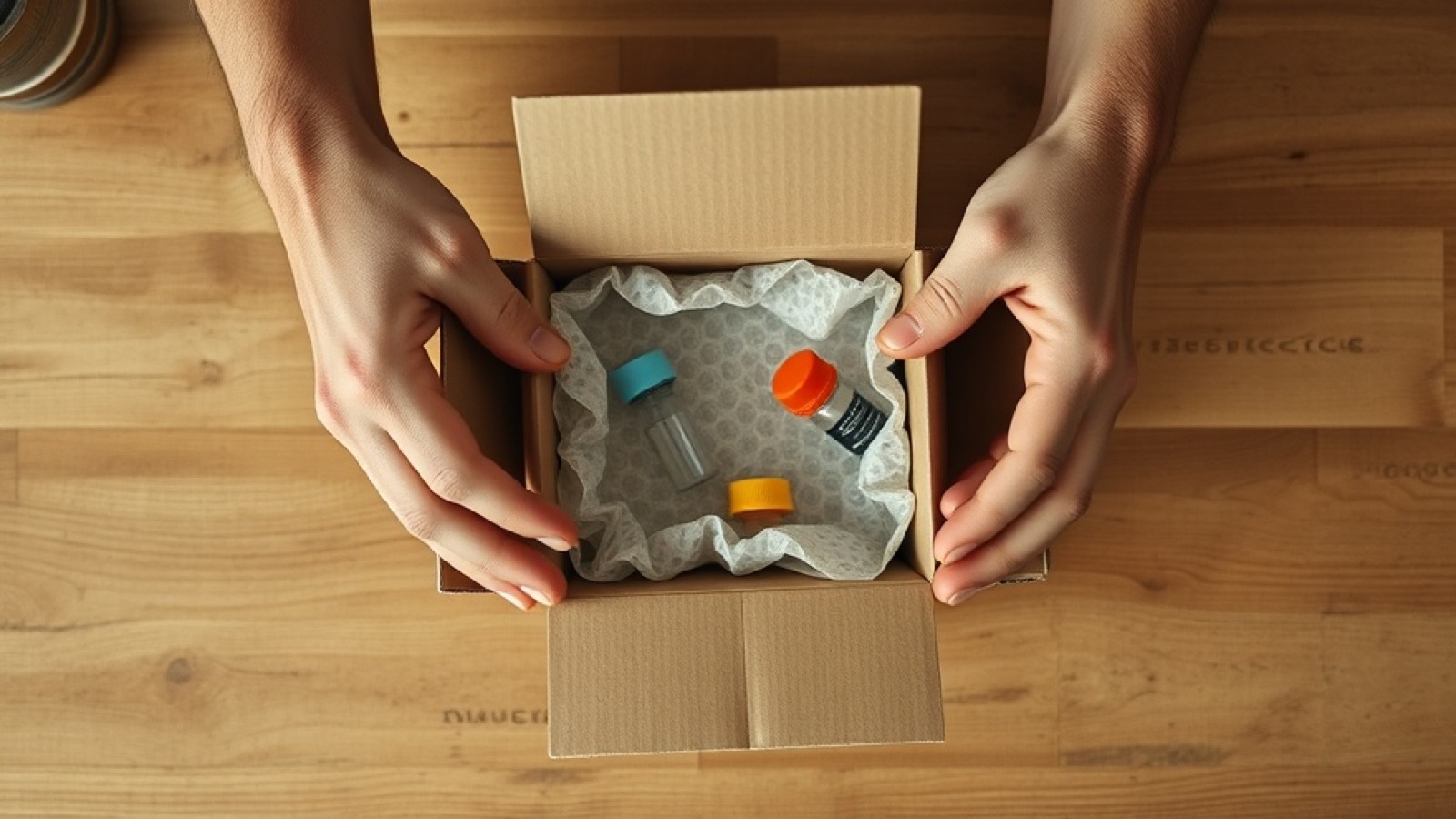
We traced the supply chain from unregulated Chinese API manufacturers through Alibaba brokers, customs evasion, and US warehouse resellers to the vial in your refrigerator. At every handoff, purity claims are copy-pasted forward but never independently verified.

Supply Chain Customs Data

From factory floor to your doorstep, nobody is watching.

01

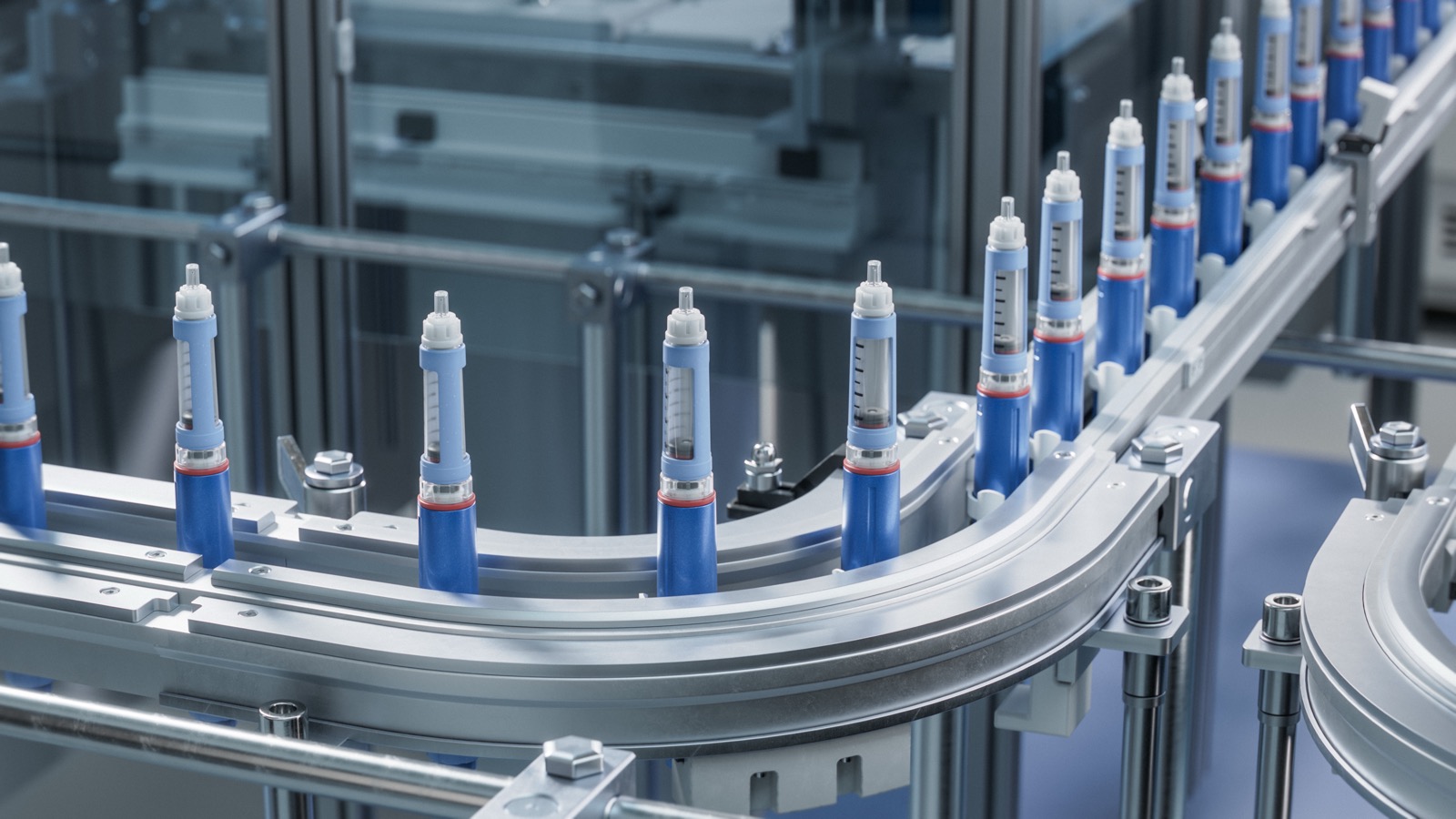
Chinese API Factory

Hangzhou Enogen, Fujian Genohope, WuXi AppTec, and dozens more. Some GMP-certified, many not. API costs ~$40,000/kg. Each milligram costs $0.04.

02

Alibaba / Telegram Broker

Minimum order quantities as low as 10g. Listings offer custom labeling, CoAs generated to spec, and door-to-door shipping with “customs clearance guarantee.”

03

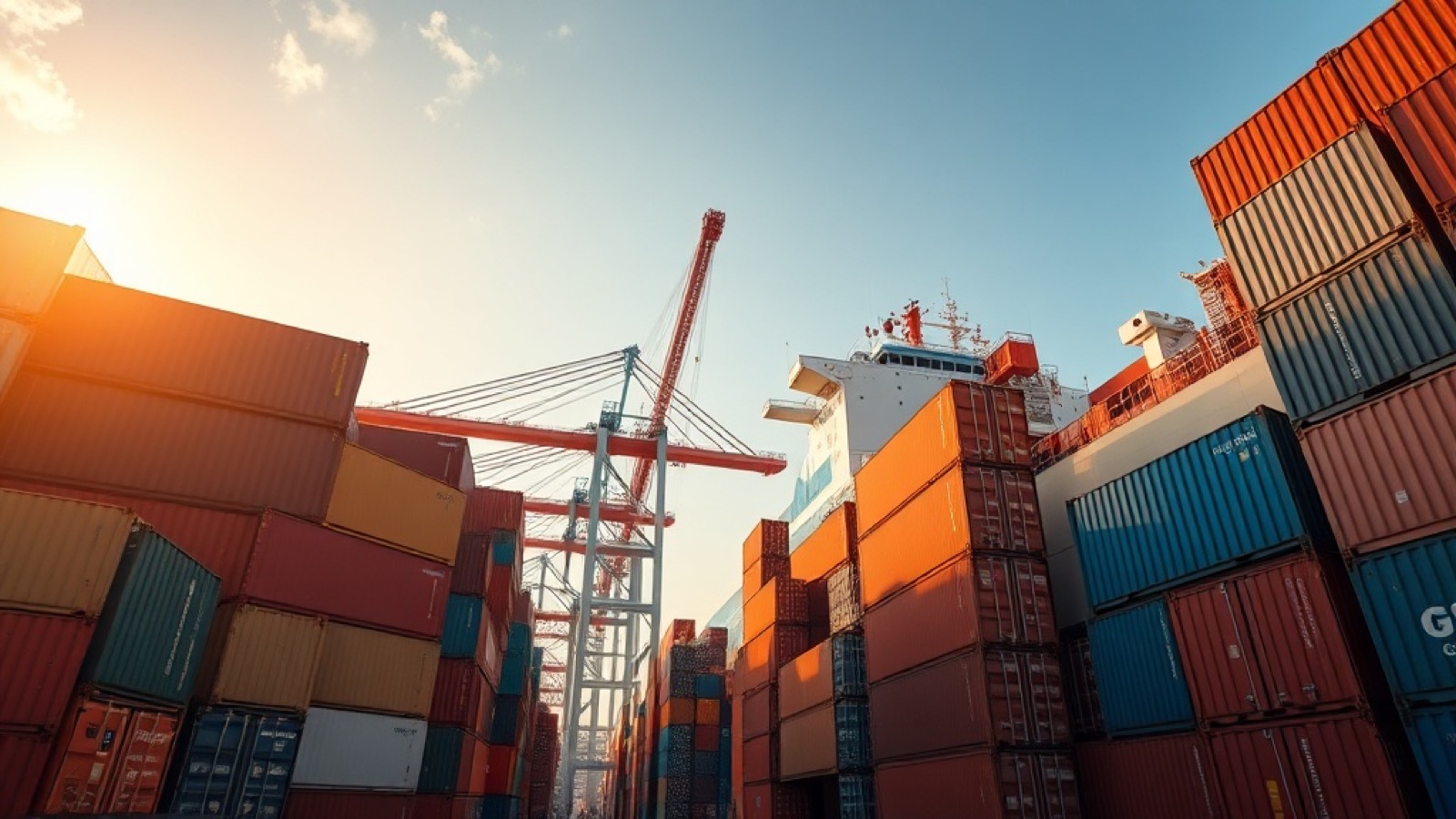
US Customs

239 shipments identified by the Partnership for Safe Medicines. FDA stopped only 44. 82% of unauthorized semaglutide and tirzepatide shipments slipped through.

04

US Warehouse / Reseller

Virtual mailboxes, payment via BTC/Zelle/Venmo. “Not for human consumption” disclaimers voided by FDA when dosing instructions are provided on the same site.

05

Your Doorstep

A 10mg vial containing $0.40 of raw material, sold for $20 to $400. That is a 50x to 1,000x markup with zero regulatory oversight at any step.

19
Chinese companies shipped semaglutide to the US, per Novo Nordisk filings
Novo Nordisk SEC filings
12 of 19
of those Chinese suppliers were non-GMP-compliant
Novo Nordisk investigation
82%
of unauthorized GLP-1 shipments that slipped past US customs
Partnership for Safe Medicines
5,000+
individual packages seized at CBP Cincinnati alone
CBP public records

The Chinese Supplier Ecosystem

The active pharmaceutical ingredient in your gray-market vial almost certainly originated in China. Novo Nordisk’s own investigation identified 19 Chinese companies that shipped semaglutide to the United States. Twelve of the nineteen operated without GMP certification—the baseline manufacturing standard that the FDA requires for any drug sold to Americans.

The supplier ecosystem spans from legitimate pharmaceutical manufacturers like WuXi AppTec, which operates FDA-inspected facilities, down to chemical factories with no pharmaceutical license at all. Companies like Hangzhou Enogen and Fujian Genohope occupy a gray zone: they hold some certifications, sell through both legitimate and gray-market channels, and offer the same API to compounding pharmacies and Telegram resellers alike.

The Economics

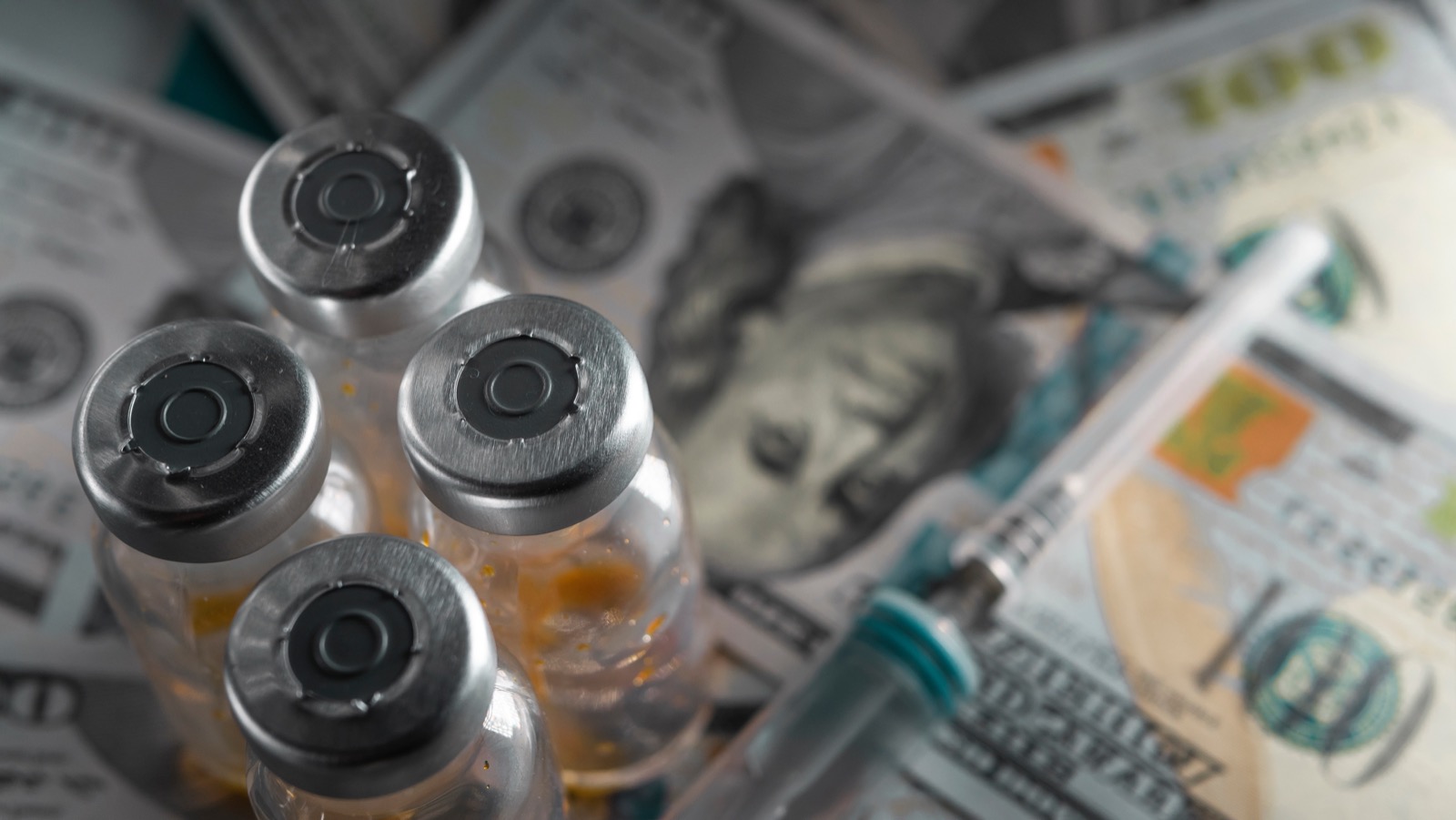
Semaglutide API costs approximately $40,000 per kilogram on the wholesale market. Each milligram costs $0.04. A standard 10mg research vial contains $0.40 worth of raw material. When that vial sells for $20 to $400, the markup ranges from 50x to 1,000x—with no regulatory oversight, no purity verification, and no chain of custody at any step in between.


How Orders Move Through Customs

The supply chain relies on a set of logistics tricks refined over years by Chinese pharmaceutical exporters. These are not sophisticated operations. They succeed because customs enforcement is structurally overwhelmed.

Shipments are routinely mis-manifested as cosmetics or non-sterile liquids on customs declarations. Master cartons contain approximately 15 individual shipments bundled together, making it difficult for inspectors to identify pharmaceutical products in what appears to be a single cosmetics order. Transshipment through Hong Kong adds another layer of obfuscation, allowing packages to clear one jurisdiction before entering another.

The Partnership for Safe Medicines documented 239 shipments of unauthorized semaglutide and tirzepatide entering the US. The FDA managed to stop only 44 of them. The remaining 195 shipments—82% of the total—reached their intended recipients.

CBP Cincinnati

The US Customs and Border Protection hub in Cincinnati, Ohio—the primary mail inspection facility for international packages—has logged more than 300 smuggling attempts and seized approximately 5,000 individual packages of unauthorized peptides. Cincinnati handles a fraction of all inbound international mail. The total volume entering the country is far larger than what any single facility can intercept.

“All of this stuff just scares the crap out of me.”
Dr. Randy Seeley, University of Michigan, obesity researcher

The CNBC Ozempic Purchase

In a 2024 investigation, CNBC reporters purchased what was sold as “Ozempic” from Laver Beauty, an online storefront. The product shipped from Shijiazhuang, China. It arrived with only two melted ice packs—despite semaglutide requiring continuous refrigeration at 2–8°C.

Testing revealed the product was a diverted Chinese-market Ozempic pen—genuine Novo Nordisk product manufactured for sale in China, not authorized for the US market. The pen carried Chinese-language labeling and lacked US packaging, lot tracking, or FDA authorization. While it contained actual semaglutide, the cold chain had been broken, and the product had been sold through a channel with no pharmaceutical license, no prescription verification, and no way to confirm it hadn’t been tampered with in transit.

This is the best-case scenario in the gray market: a real product, diverted from a legitimate supply chain, that still arrived temperature-compromised through an unauthorized seller. Most gray-market vials do not start from genuine branded product.


The US Reseller Ecosystem

Once through customs, Chinese API enters a domestic distribution network that looks more like a drop-shipping operation than a pharmaceutical supply chain. Virtual mailboxes. Payments through Bitcoin, Zelle, and Venmo. Websites registered through privacy proxies. And the universal disclaimer: “For research use only. Not for human consumption.”

The FDA has explicitly ruled that this disclaimer is legally meaningless when vendors provide dosing charts, reconstitution instructions, and injection guides on the same website. Providing those materials constitutes evidence of intent to sell for human use, regardless of any disclaimer.

Henderson, NV Mailbox

Peptide Sciences operated from a single mailbox in Henderson, Nevada, generating $7.45 million per month with an estimated 3–5 employees.

Payment Obfuscation

Bitcoin for anonymity. Zelle and Venmo for convenience. No chargebacks, no purchase protection, no paper trail connecting buyer to vendor.

“Not for Human Consumption”

FDA has voided this disclaimer when the same site provides dosing instructions. Intent to sell for human use is established by the vendor’s own content.

Peptide Sciences by the Numbers

$7.45 million per month in revenue from a single mailbox address in Henderson, Nevada. An estimated 3–5 employees. No pharmaceutical license. No FDA registration. No cGMP compliance. The largest and most-trusted gray-market peptide vendor in the United States until it voluntarily shut down on March 6, 2026.

Interpol Pangea XVII

The largest international operation targeting online pharmaceutical crime to date. The gray market is not just an American problem.

769
arrests across 193 countries in a single coordinated operation
Interpol, 2024
$65M
in counterfeit and unauthorized medications seized
Interpol, 2024
13,000
websites shut down for selling unapproved pharmaceuticals
Interpol, 2024

Methodology & Sources

This investigation draws on primary sources including:

  • Partnership for Safe Medicines — analysis of 239 unauthorized GLP-1 shipments and FDA interdiction rates
  • Novo Nordisk SEC filings — identification of 19 Chinese semaglutide suppliers and GMP compliance status
  • US Customs and Border Protection — seizure data from the Cincinnati international mail facility
  • CNBC investigative report — purchase and testing of “Ozempic” from Laver Beauty, shipped from Shijiazhuang, China
  • Interpol Pangea XVII results — operational data from the 2024 international enforcement operation
  • Federal court records — criminal cases involving US-based peptide resellers

All pricing data reflects publicly available wholesale and retail figures as of April 2026. API cost estimates are based on industry wholesale pricing reports and Alibaba listing analysis.